

Multimedia Assisted Language Learning: When Language Meets Media


There was a time when learning a language meant sitting with a textbook. A list of verbs. A page of grammar rules. Maybe a cassette tape if you were lucky.
The process was slow, mechanical, and often disconnected from how language actually lives in the world. Today, something very different is happening.
Language is increasingly learned through media: video, audio, subtitles, interactive apps, real-time conversations, and immersive content.
This shift has a name in the academic and technology communities: Multimedia Assisted Language Learning (MALL).
And it quietly represents one of the most important transformations in how humans interact with language.
What Is Multimedia Assisted Language Learning?
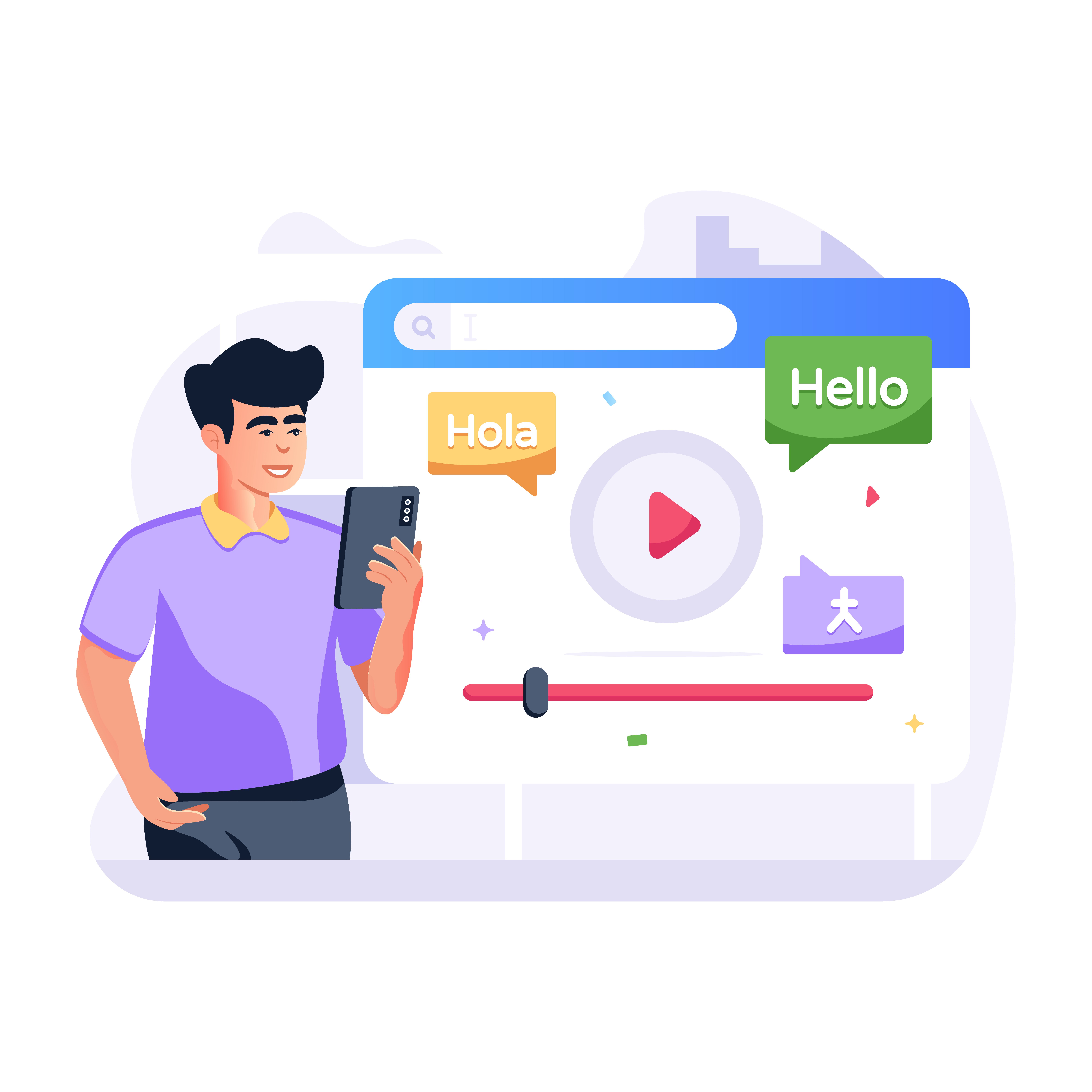
Multimedia Assisted Language Learning refers to the use of multiple media formats to support the process of learning a new language.
Instead of relying on text alone, MALL integrates different channels of communication, including:
The idea is simple: language is not only written. It is spoken. It is heard. It is contextual. It is visual.
When learners experience all these layers together, language becomes easier to understand and easier to remember.
In other words, multimedia doesn’t just teach vocabulary. It teaches how language behaves in real life.
Why Multimedia Changes the Way We Learn
The human brain is wired for context. We remember things better when information arrives through multiple senses. A word heard in isolation is easy to forget.
But the same word spoken in a film scene, paired with emotion, tone, and visual cues, becomes far more memorable. Multimedia assisted learning takes advantage of this.
A learner may:
- watch a video while reading subtitles
- listen to a dialogue while seeing the written script
- repeat phrases while receiving pronunciation feedback
Each layer reinforces the others. The result is not just memorization. It’s comprehension.
The Rise of Video in Language Learning
One of the biggest drivers of multimedia learning today is video.
Platforms like YouTube, streaming services, and online education platforms have created an ocean of multilingual content. Learners now encounter language in realistic environments rather than artificial classroom scenarios. This matters.
Because language changes depending on:
- tone
- context
- social setting
- cultural norms
Multimedia environments expose learners to these subtleties in ways textbooks rarely can. Language becomes something dynamic instead of something static.

Where Technology Enters the Picture
Modern language learning platforms increasingly rely on technologies that process and adapt multimedia content.
These systems can:
- generate subtitles automatically
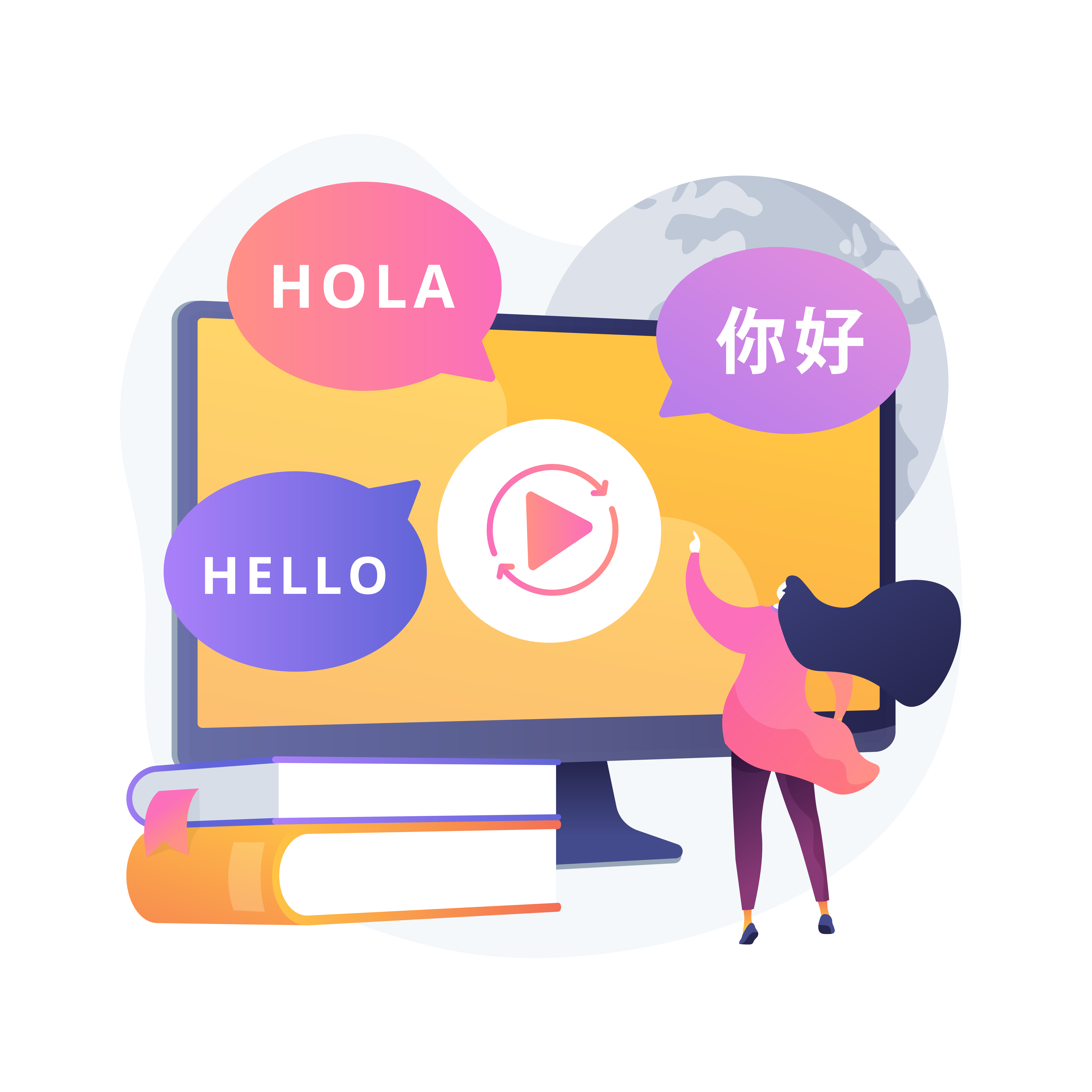
- translate dialogue into multiple languages

- convert speech into text
- synthesize voice from written content
- analyze pronunciation
In other words, machines now assist the process of understanding and producing language. But here is an important distinction. Technology accelerates access to language. It does not replace the human experience of meaning.
A subtitle may translate a sentence perfectly, but understanding the intention behind it often requires context, nuance, and cultural awareness.
And that’s where localization begins to intersect with language learning.
The Localization Layer Behind Multimedia Learning
Behind many multilingual learning experiences lies a localization process that makes content understandable across languages and cultures.
Subtitles need timing. Voiceovers need tone. Terminology needs consistency.
And multimedia content adds additional layers of complexity:
- synchronization with audio
- character limits in subtitles
- cultural adaptation of examples
- tone adjustments for different audiences
Multimedia assisted language learning depends on more than translation alone. It requires systems capable of managing these different elements together.
When Language Becomes a Workflow
As organizations produce more multilingual video, training material, and educational content, language processing becomes less about individual translations and more about structured workflows.
Teams need to coordinate:
- transcription
- translation
- subtitle creation
- voice generation
- human review
- version updates
Handling these steps separately can quickly become chaotic.
That’s why many organizations adopt localization platforms designed to orchestrate the entire process.
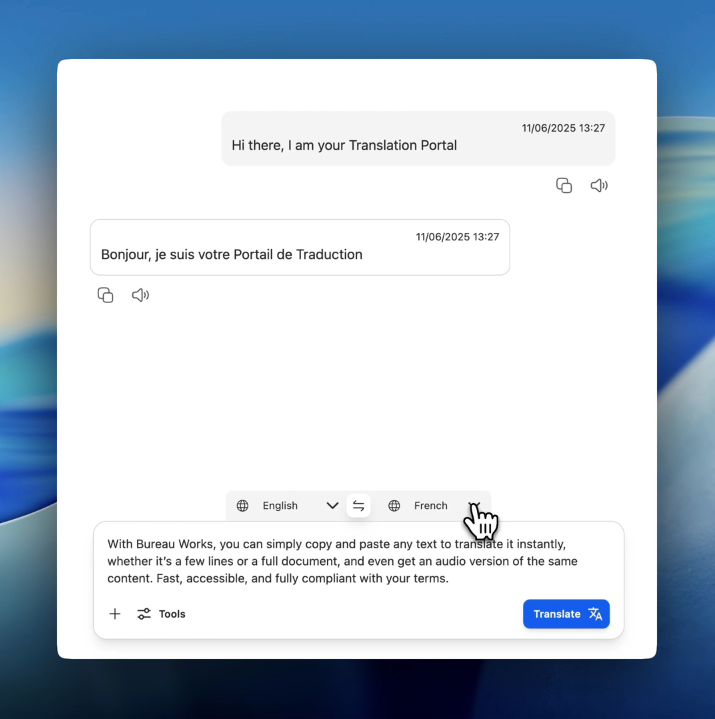
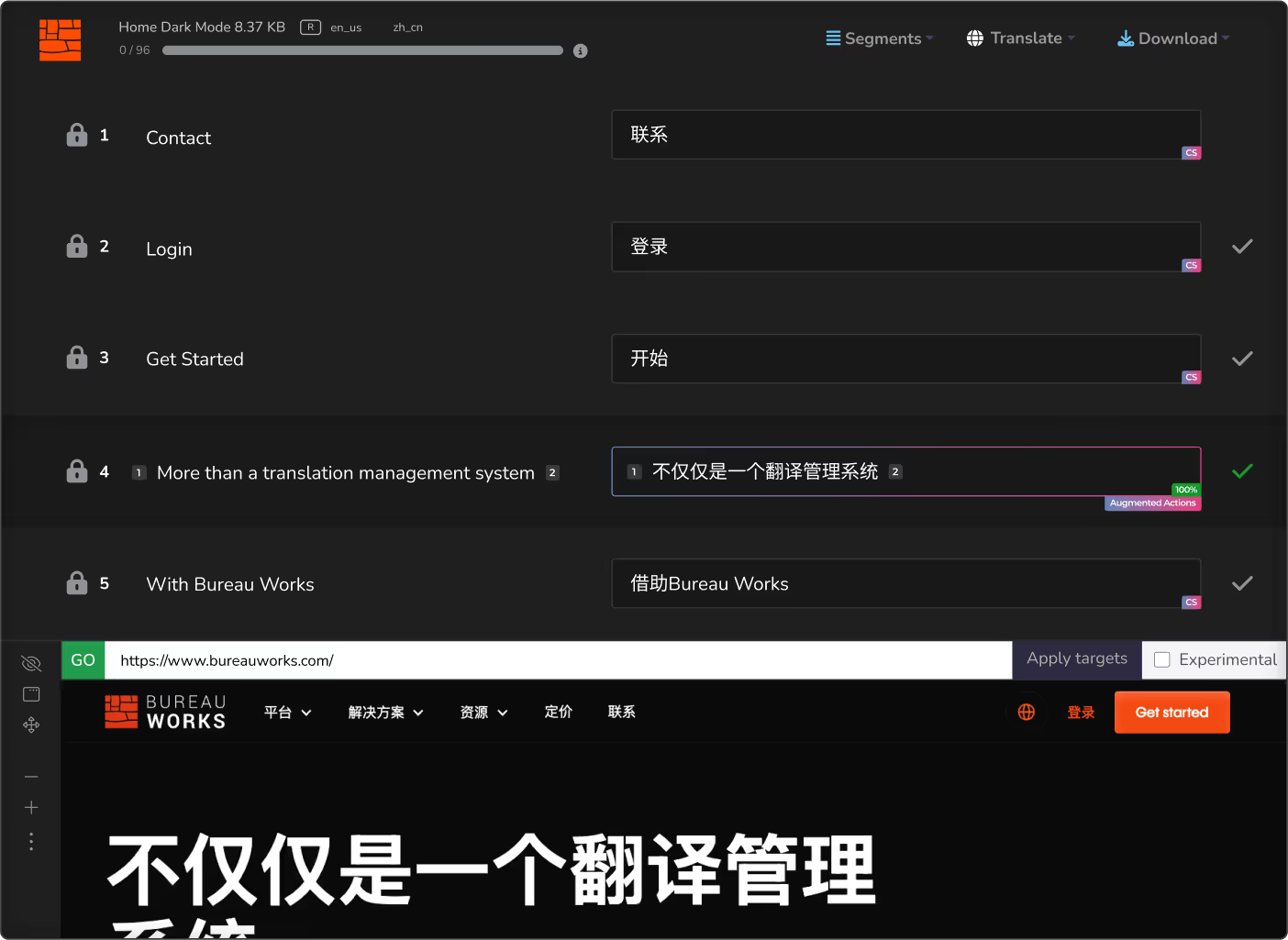
Platforms like Bureau Works, for example, help teams manage multilingual multimedia content by combining AI-powered language tools with structured workflows and human review.
Instead of handling subtitles, transcripts, and translations in disconnected tools, organizations can manage them within a single system built for multilingual content operations.
The goal isn’t to replace the human side of language learning. It’s to make the process more scalable and more consistent.
The Future of Language Learning Is Multimodal
Language has never been purely textual. It has always lived in voice, gesture, tone, rhythm, and culture. Multimedia assisted language learning simply brings education closer to that reality.
As technology improves, learners will increasingly interact with language through environments that combine:
- speech
- video
- interactive systems
- AI-supported feedback
- localized content
The classroom becomes a media ecosystem. And language becomes something learners experience, not just study.
If your team works with multilingual content, subtitles, or multimedia learning material, managing language across formats can quickly become complex.
Bureau Works helps organizations streamline multilingual workflows, from transcription and translation to subtitles and review, combining AI-powered tools with human expertise in one platform.
Create your account and start managing multilingual content with clarity and control.
👉 Sign up for Bureau Works and turn language into a scalable workflow.
Unlock the power of glocalization with our Translation Management System.
Unlock the power of
with our Translation Management System.