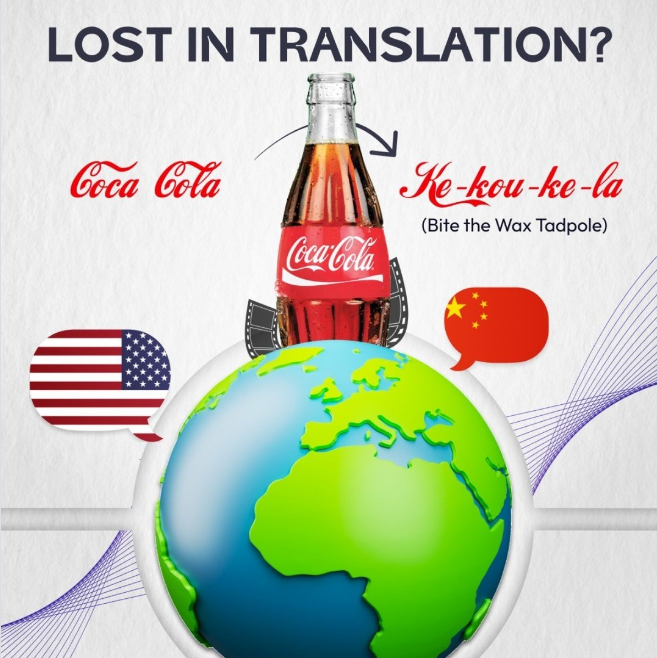


Translators Didn’t Disappear. They Became Specialists


For years, the narrative was simple. AI will replace translators. It was clean. Dramatic. Clickable. It was also wrong.
In 2026, the translation market looks very different from what the panic predicted. AI is everywhere. Machine translation is faster than ever. Large language models can draft content in seconds.
And yet, human translators are not disappearing. They are moving.
From volume to judgment. From typing to decision-making. From converting text to protecting meaning.
The industry did not collapse. It reorganized.
At 51:00 of this debate Renato Beninatto gives some very good examples of translation markets that emerged out of the blue, even in this AI era.
The Human-in-the-Loop Model Is No Longer a Trend
The defining model of 2026 is not “AI versus human.” It’s AI with human oversight.
Machines handle:
- high-volume tasks
- repetitive strings
- first drafts
- predictable content
Humans handle:
- consequence
- ambiguity
- liability
- cultural nuance
- brand voice
This shift is not philosophical. It’s economic. Because when mistakes carry legal, medical, or financial consequences, “good enough” is not good enough.
1. High-Stakes Translation Is Growing, not Shrinking
The highest demand for human expertise sits where risk is highest.
Legal & Compliance
Contracts. Regulatory filings. Court documentation. AI data protection compliance.
These texts don’t tolerate approximation.
A mistranslated clause is not awkward.
It’s expensive.

Medical & Pharmaceutical
Clinical trials. Device manuals. Drug labeling.
A minor translation error in these fields is not a typo.
It can be life-threatening.
AI assists.
Humans sign off.
FinTech & Financial Documentation
As fintech expands globally, earnings reports, investment prospectuses, and financial platforms must speak precisely.
Precision builds trust.
And trust builds markets.
2. Creativity Is Becoming More Valuable, Not Less
Literal translation is increasingly automated.
Creative adaptation is not.
Transcreation
Marketing no longer asks: “Is this accurate?”
It asks: “Does this feel right?”
Transcreation recreates emotional impact, not sentence structure. AI can mimic tone. But it does not understand positioning.
That remains human territory.
Gaming & App Localization
Games are global. Humor is not.
Cultural references don’t travel cleanly. User interface space is limited. Slang shifts meaning fast.
Localization specialists are now cultural engineers.
Not translators.
AI Post-Editing (MTPE)
Companies generate massive volumes of AI content. Raw. Unfiltered. Unpolished.
The new role emerging in 2026 is the AI Post-Editing Specialist, someone who refines, aligns, and protects brand consistency.
Not correcting grammar. Correcting identity.

3. Multimedia Is Expanding the Battlefield
Text is no longer the center of communication.
Video is. Audio is. Interactive systems are.
Subtitling and Dubbing
Video consumption continues to rise across markets.
Training videos. Podcasts. Product demos. Social media. Subtitles and dubbing are no longer accessibility add-ons.
They are growth strategies.
Audio-First Experiences
IVR systems. Customer support automation. Voice assistants.
Language now speaks back.
And when voice becomes interface, tone becomes product design.
4. Technical Domains Demand Deep Knowledge
AI can draft generic documentation.
But specialized domains still require specialists.
Engineering & Technical Manuals
Operating instructions. Patents. Technical specifications.
One incorrect unit of measurement can cost millions.
E-learning
Remote education continues to expand.
Online courses must feel natural, not translated.
And education fails when tone feels foreign.
Multilingual SEO
Translation alone is not enough. If content isn’t discoverable, it doesn’t exist.
Translators with SEO literacy are increasingly valuable because discoverability is part of communication.
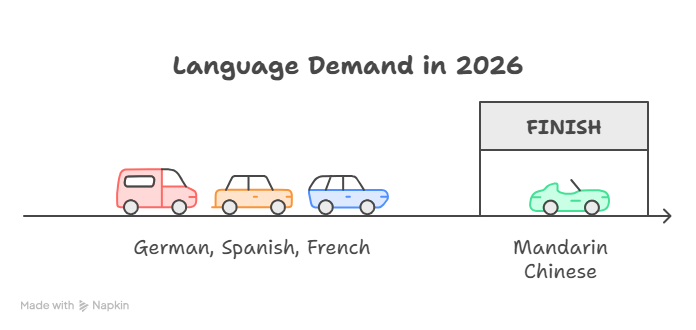
The Most In-Demand Languages in 2026
Market demand continues to concentrate around:
- Mandarin Chinese
- German
- Spanish
- French
- Arabic
- Japanese
But language pair alone is not the differentiator anymore. Specialization is.
The New Roles Emerging
The title “translator” is evolving.
New roles are appearing:
- AI Supervisor
- Model Trainer
- Post-Editing Specialist
- Cultural Consultant
- Localization Strategist
These roles don’t replace translation. They expand it. Because translation in 2026 is less about output and more about oversight.
The Real Shift: From Text Converter to Cultural Consultant
The industry is no longer rewarding people who simply “translate text.”
It rewards those who:
- understand context
- understand compliance
- understand product ecosystems
- understand AI systems
- understand audience psychology
The modern translator is AI-augmented. Not AI-threatened. That difference is psychological, but powerful.
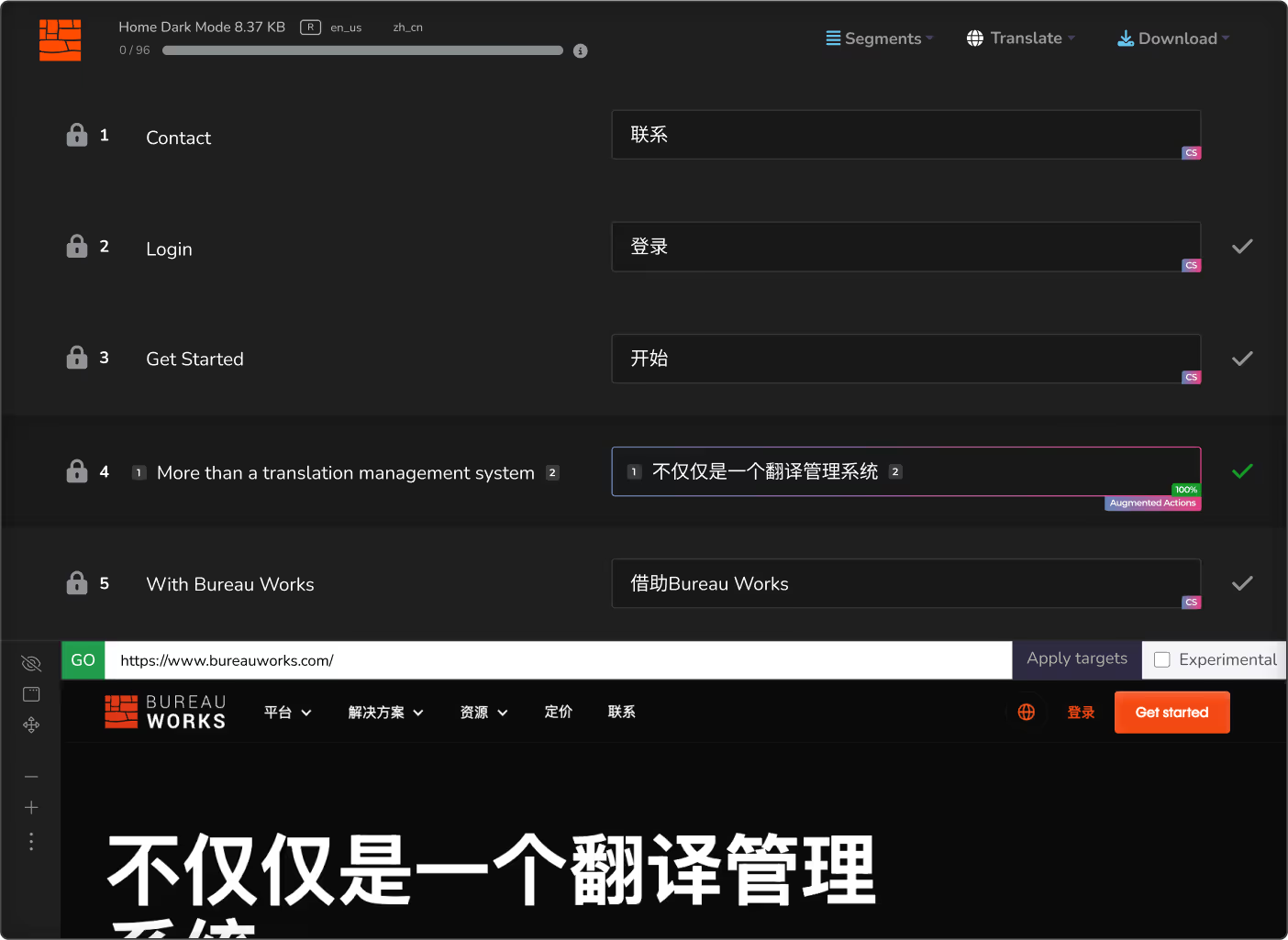
Where Platforms Matter
As complexity increases, so does the need for infrastructure.
Because managing:
- AI output
- terminology databases
- multimedia workflows
- review loops
- compliance documentation
- multilingual SEO
It requires coordination. Not chaos.
Platforms like Bureau Works sit in that intersection. Make sure to test it!
Not replacing humans. Not rejecting AI. But structuring the collaboration between them. Because scale without governance becomes noise.
And governance is where value now lives. The translation market in 2026 is not smaller.
It is sharper. It rewards specialization. It rewards judgment. It rewards people who understand that AI is a tool, not an author.
The future belongs to translators who evolve into strategists. And to companies who understand that language is no longer a service.
It is infrastructure.
Unlock the power of glocalization with our Translation Management System.
Unlock the power of
with our Translation Management System.