


What is translation?
Most dictionaries will say something like: “Translation is the process of converting text from one language to another.”
Technically correct. But dangerously incomplete. Because translation is not about converting words. It’s about transferring meaning.
And meaning is fragile.
The real definition of translation
If we step away from the dictionary for a moment, translation becomes something more uncomfortable.
Translation is:
- the transfer of intent
- the negotiation of tone
- the preservation of identity
- the protection of brand voice
- the management of cultural risk
It’s not arithmetic. It’s authorship under constraint. And the moment you scale across markets, translation stops being a linguistic task. It becomes a strategic one.
1. China: "Tasty Fun" (可口可乐)
When Coca-Cola entered China, they did not just use a phonetic translation. They researched thousands of characters to find a combination that sounded similar to "Coca-Cola" while having a positive, relevant meaning.
- The Translation: They chose Kekoukele (可口可乐).
- The Impact: The phrase translates to "tasty fun" or "mouth-watering happiness". This localized name was incredibly successful in connecting the brand to local preferences for auspicious, joyous, and family-oriented messaging.
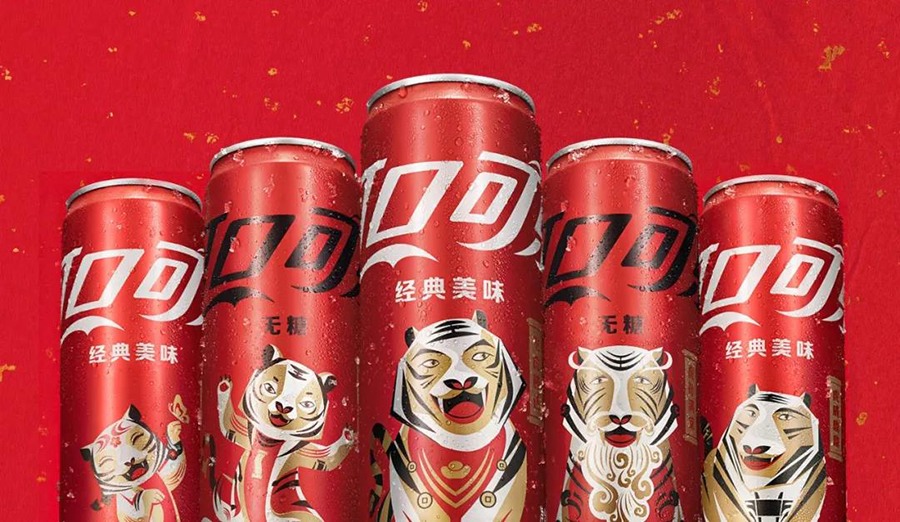
Image by Chinadaily
2. "Share a Coke" Campaign: Local Name Adaptation
The "Share a Coke" campaign is a premier example of hyper-localization, where the logo was replaced by popular names in different countries.
- Ireland/Russia: Instead of just using Western names, local teams used names like Oisin and Aoife in Ireland.
- China: Recognizing that first names are not typically used to address others in China, they adapted the campaign to use nicknames and terms of endearment, such as "Classmate" or "Close Friend," to maintain personal connections without breaking social conventions.
- India: The campaign leveraged relationship terms like "Bhai" (brother) or "Didi" (sister) to fit a family-oriented culture.
3. South Africa: "Phonetic Can" Campaign
To address social barriers and the 11 official languages in South Africa, Coca-Cola launched the "Phonetic Can" campaign.
- The Strategy: Cans included the phonetic transcription of various local names to help people pronounce them correctly, fostering unity.
- The Impact: This resulted in a 158% increase in "brand love" and a 27% increase in consumption of Coca-Cola Zero.
4. India: "Thanda Matlab Coca-Cola"
In India, the company localized its messaging to bridge the gap between a Western brand and Indian consumers.
- The Slogan: They used "Thanda Matlab Coca-Cola", which translates to "Cold means Coca-Cola."
- The Impact: This campaign, featuring Bollywood stars, effectively made Coca-Cola a generic term for "cold drink" in India.
5. Arabic-Speaking Markets: Stylized Calligraphy
Instead of just translating the text into Arabic, Coca-Cola adapted its iconic script to align with local aesthetic sensibilities.
- The Adaptation: The Latin script logo was redesigned using Arabic calligraphy, making it feel more local while retaining the brand’s visual identity.
6. Acquisition of Local Favorites (Cultural Localization)
Rather than trying to force their brand into a market where a competitor is already beloved, Coca-Cola often acquires local favorites and keeps their branding, a form of "cultural translation."
- Peru: Acquired Inca Kola (a yellow soda with deep roots in Peruvian identity).
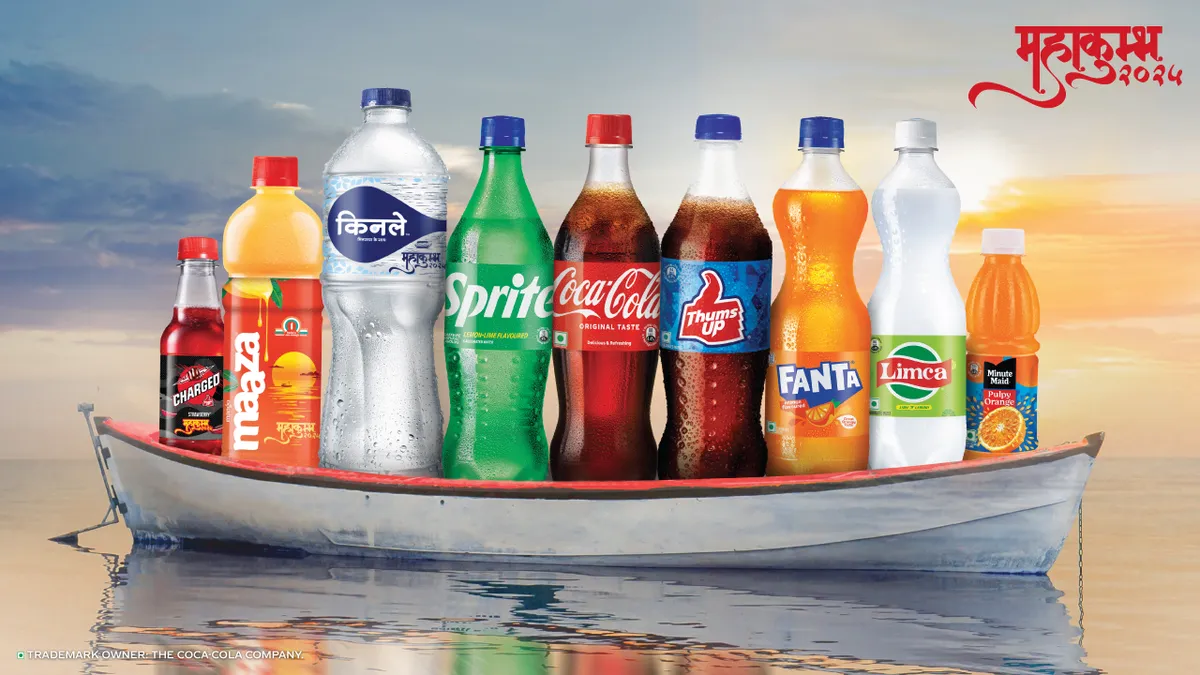
- India: Acquired Thums Up, a bolder, spicier cola that remains more popular than the standard Coca-Cola in that market.
These examples demonstrate that Coca-Cola does not just translate their marketing; they localize it by adapting visuals, cultural idioms, and even product formulations (like adding green tea flavors in Japan or local spices in India) to make the brand feel local.
Translation vs Localisation: where definition breaks down
If “translation definition” is about converting words, localization is about adapting experience.
Translation asks: “What does this say?”
Localization asks: “What does this mean here?”
The Coca-Cola case wasn’t a linguistic failure. It was a contextual one. And context is what makes global brands survive.
Because language does not live in isolation. It lives inside:
- culture
- history
- humor
- legal systems
- expectations
- identity
The same phrase can empower in one market and alienate in another. That’s why translation cannot be treated as a feature.
It must be treated as stewardship.

Why this matters more in 2026
Generative AI has made translation faster than ever.
Contentful translates. YouTube dubs. Instagram auto-subtitles. CMS platforms offer one-click language expansion.
It’s impressive. But speed amplifies mistakes. When translation was slow, errors were contained. Now, a poorly localized phrase can scale globally in minutes. And consumers notice.
They may not articulate it technically. But they feel it. They feel when a brand sounds authentic. And they feel when it sounds automated.
The bar has not lowered. It has risen.
The invisible layer: governance
Here’s what most companies miss. Translation is not a one-time event. It is a system.
Once you translate a brand, you create a linguistic memory:
- terminology choices
- tone decisions
- stylistic preferences
- market-specific adaptations
If those decisions are not centralized, they fragment.
Your website says one thing. Your support portal says another. Your product UI says something slightly different. Your marketing says something else entirely.
And that fragmentation erodes trust. Translation definition, in the modern sense, must include governance.
Because without governance, you don’t have consistency. And without consistency, you don’t have identity.
Why partnership matters
Coca-Cola’s story is not just a historical anecdote. It’s a reminder that global brands don’t improvise language. They engineer it.
Today, Coca-Cola Europacific Partners works with Bureau Works to manage localization at scale.
Not because translation is hard. But because coordination is harder.
Managing terminology across markets. Ensuring brand voice consistency. Balancing automation with human review. Scaling without losing control.
That requires infrastructure. Not just output.
So what is the real translation definition?
If we rewrite it honestly, it might look like this:
Translation is the structured transfer of meaning across languages, guided by authorship and protected by governance.
It is not word replacement. It is identity management. And in a world where AI can generate text instantly, identity is what differentiates brands.
Not speed. Not volume. Not automation.
Identity.
Final thought
The fact that people are searching for “translation definition” tells us something. We are in a moment where language feels unstable. Where communication moves faster than understanding. Where automation is abundant but clarity is scarce.
The companies that win globally will not be the ones that translate the most. They will be the ones that translate intentionally.
We help global teams centralize terminology, manage linguistic memory, and scale localization without losing authorship.
Because translation is not about changing words.
It’s about protecting meaning.
Unlock the power of glocalization with our Translation Management System.
Unlock the power of
with our Translation Management System.