

Most people think the biggest career threat is stress.
Or burnout.
Or imposter syndrome.
But Gabriel Fairman says it’s something else.
“The most dangerous feeling is satisfaction.”
And honestly… he’s right.
Because satisfaction can quietly stop your growth.
Why satisfaction is so dangerous
Satisfaction feels good. It feels safe.
It feels like you did everything right.
Gabriel explains it like this:
“It’s that warm glow when you finally clear your inbox.”
Or when you ship something. Or when you hit a target. Or when you “finish” a project.
“We’re biologically wired to love that feeling.”
The trap: implementation correctness
Gabriel introduces a powerful idea:
Implementation correctness.
That means doing the work the “right” way. Following the process. Delivering exactly what was asked.
“We love implementation correctness… because it means we did exactly what we were told.”
And that feels great. Because it feels like approval. Like safety. Like success.
But the hard truth is that the world is changing too fast. And because of that, “done” is becoming meaningless.
Gabriel puts it bluntly:
“In a world that never stops changing, done is a lie.”
And he goes even further:
“Whatever OKRs you have, whatever KPIs you have… they don’t really matter that much anymore.”
That’s not because goals are useless.
It’s because goals can become outdated faster than ever.

A translation agency example (and why it matters)
Gabriel uses a translation agency as an example.
For a long time, agencies competed on process.
They focused on:
- SOPs
- vendor selection
- quality checks
- tools
- reviewer steps
- strict delivery workflows
That was the business. And it made sense.
Because implementation correctness was hard.
“Implementation correctness was really hard… maybe five years ago, maybe ten years ago.”
So if you could do it well, you could charge more.
Now, things are different.
Translation agencies aren’t only competing with other agencies. They’re competing with AI.
“Now they’re competing with the likes of ChatGPT, Claude, Gemini, etc.”
AI isn’t perfect. But it’s fast. And it’s “good enough” most of the time.
“It’s 85% there, 90% there.”
So what happens? Implementation becomes a given. And when that happens…
The value drops.
This isn’t just translation
Gabriel makes it clear:
This applies to almost every field. Especially software.
Because AI makes it easy to look like you’re doing the work.
“I can pretend to write code even though I don’t. I can pretend to know about a subject matter even though I don’t.”
So the ability to “deliver the thing” is becoming cheaper.
And easier to copy.

The execution trap
This is the real danger. When you focus only on execution, you get trapped.
Gabriel calls this: The execution trap.
“We focus so hard on the task… that we become blind to the value.”
You deliver. And deliver. But you stop thinking. You stop questioning.
You stop seeing the bigger picture.
A lot of companies obsess over speed.
They want:
- more features
- more sales
- more tickets solved
- more output
Gabriel says that’s not the point.
“Efficiency… measures how fast you’re moving. It just doesn’t measure where you are going.”
And that matters. Because you can move fast… and still lose.
“If you’re running at 100 miles per hour in the wrong direction… you become a liability.”
Why AI makes this problem worse (and more urgent)
AI increases speed. That part is real.
We can:
- code faster
- write faster
- research faster
But speed without direction is dangerous. Gabriel gives a great metaphor:
“It’s like driving a very, very fast car with a very, very loose steering wheel.”
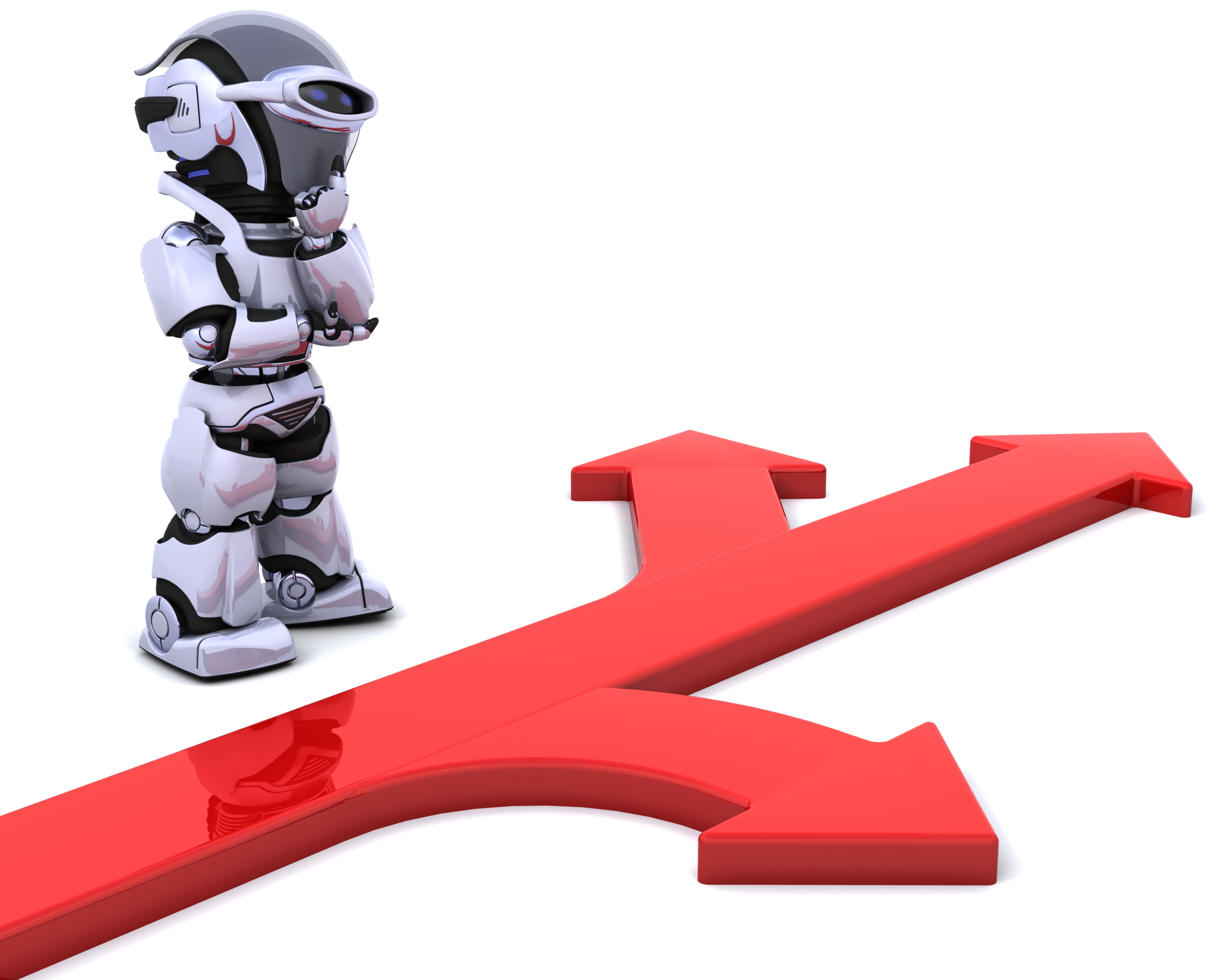
So AI gives velocity. But humans still need to provide direction.
What humans should focus on now
Gabriel’s message is clear:
Stop obsessing over doing the work perfectly. Start obsessing over solving the right problems.
He says:
“My job is to ensure that we are building the right thing, not just building the thing right.”
That is the difference between:
- being a cog
and - being an architect
The “Break the Machine” mindset
Gabriel ties this directly into Bureau Works. People often ask:
Why do we say “Break the Machine”?
Gabriel answers:
“Break the machine is a statement of commitment towards design thinking.”
Because when you’re just executing… you’re replaceable.
“You become a cog, and cogs are replaceable.”
But when you understand the system… you create authorship. You create meaning.
You create evolution.
The iceberg model: the real problem is under the surface
Gabriel uses an iceberg metaphor. The visible part is small.
It’s what people usually focus on:
- the workflow
- the feature
- the component
- the symptom
“The component is just the tip of the iceberg.”
But the real issues are below the surface.
“The misaligned assumptions… they’re all under the water.”
So if you only fix the surface… you’re not solving the real problem.

The hard part: changing your sense of self-worth
Gabriel gets personal here. He explains that his self-worth is often tied to output.
“If I have a very busy day… that increases my dopamine.”
But when he has a day where he does less… he feels worthless.
That’s real.
And it’s something many people feel.
Design thinking forces a different kind of self-worth.
Not based on activity. But based on meaning.
“Now my self-worth is coming from the quality of problems that I solved.”
Validate first. Implement second.
Gabriel ends with a challenge for 2026. It’s simple. And it’s hard.
Stop waiting for perfect instructions.
Start validating. Start thinking. Start designing.
“It’s about validating first, implementing second.”
Because machines can implement. Machines can check. Machines can automate.
But humans still own the bigger question:
Why?
Final takeaway
The most dangerous feeling in your career is satisfaction. Because it makes you stop evolving.
In a world where AI makes execution easier every day… your edge is no longer implementation.
Your edge is direction.
And your job is not to deliver more.
Your job is to solve better problems.
“This is how we stay relevant. This is how we find creative freedom. And it’s how we evolve.”
Ready to stop being a cog?
If you want to stay relevant in an AI-driven world, the goal isn’t just execution.
It’s direction.
Unlock the power of glocalization with our Translation Management System.
Unlock the power of
with our Translation Management System.